
How to Cut a Round Cake?
When it comes to slicing the perfect piece of cake, the art of cutting a round cake isn’t as simple as one might think. From the size and texture of your cake to the tools you use, each element plays a pivotal role in creating those pristine slices that make your desserts not just delicious but also visually appealing. In this guide, we’ll walk you through various techniques and tips to master the perfect slice, ensuring that your cake cutting skills are the highlight of any event.
The Art of Cutting a Round Cake
Cutting a round cake is more than just slicing through; it’s about creating a memorable experience for everyone who gets a piece. Whether you’re hosting a birthday, an anniversary, or any celebration, the way you cut your cake speaks volumes about your hosting finesse.
Why Proper Cake Cutting Matters
Properly cutting a cake ensures every guest enjoys an equal share, which is crucial for fairness and enjoyment. Moreover, a cleanly cut cake slice is not only more appealing but also holds the decoration and structure better, making each piece a delight to behold.
Understanding Cake Sizes and Types
The size and type of your cake dictate the best approach to cutting it. For instance, a dense chocolate cake behaves differently from a light sponge cake. Knowing your cake’s texture can guide you in selecting the right slicing method that best showcases its qualities.
Tools for the Perfect Slice
The key to perfect cake slices lies in the tools you use. A sharp, serrated knife and a good-quality cake server are indispensable. Always ensure your tools are clean and dry to prevent sticking or tearing, helping you achieve those Instagram-worthy slices effortlessly.
Stay tuned as we delve deeper into the techniques and methods that will elevate your cake cutting skills to professional levels in the next part of our series.
Mastering Different Cake Cutting Techniques
Exploring various techniques how to cut a round cake not only enhances your skill but also ensures you’re prepared for any type of cake you might encounter. Let’s dive into some popular methods that promise perfect slices every time.
The Traditional Wedge Method
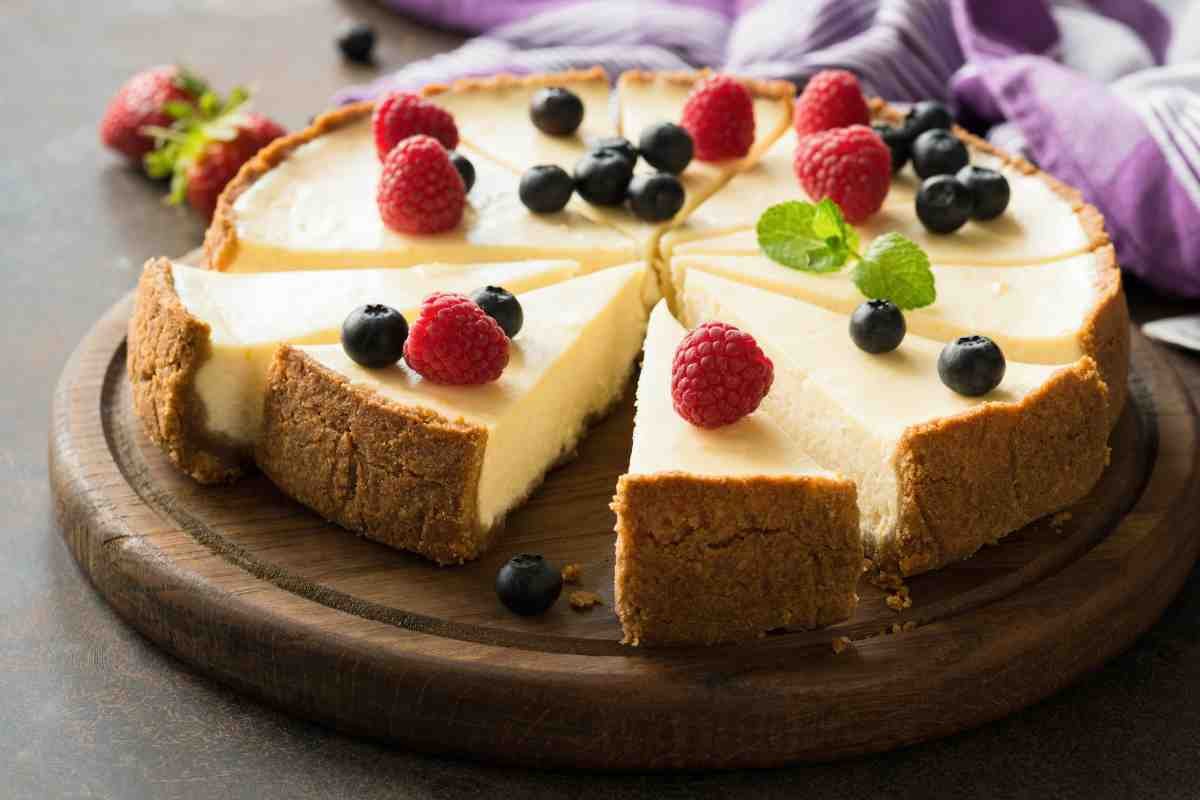
The most common and straightforward method is the traditional wedge. Ideal for round cakes served at smaller gatherings, this technique involves cutting the cake into triangular slices. It’s simple: start at the center, and cut outward in even intervals. This method is not just easy but also practical for ensuring each guest gets an equal share of those scrumptious layers.
Cutting for Small Groups
When serving a smaller group, it’s key to adjust the size of the wedges accordingly. Larger wedges might be suitable, allowing each guest a more substantial piece. Remember, the goal is to balance generosity with practicality, ensuring everyone leaves the table satisfied.
The Scientific or Number Method
For those who love precision, the scientific method, also known as the number method, is your go-to. This technique involves cutting the cake into square slices from the center, which not only looks neat but also maximizes the number of servings. It’s particularly useful for larger parties where cake conservation is paramount.
Maximizing Freshness by Minimizing Exposure
Using the number method also helps in preserving the cake longer. By cutting from the middle and working your way outwards, the remaining uncut portions are less exposed to air, maintaining freshness. It’s a smart approach for events where the cake might sit out for a while before all slices are distributed.
These techniques not only ensure that everyone gets a fair share but also keep your cake looking great from the first slice to the last. Stay tuned for advanced tips and tricks in the next segment, where we delve into enhancing your cake cutting finesse.
Advanced Tips and Common Mistakes About How to Cut a Round Cake
Enhancing Your Cake Cutting Skills
Once you’ve mastered the basic techniques, it’s time to refine your skills with some advanced tips. These insights will help you handle even the most challenging cakes with grace and precision.
Decorative Cuts for Special Occasions
For special occasions, you might want to go beyond the traditional methods and opt for decorative cuts. For instance, using a template to cut heart-shaped pieces for a wedding or circular cuts for a formal dinner adds a unique touch that guests will remember. It’s all about adding that extra flair that aligns with the theme of your event.
Tips for Clean and Even Slices
Achieving clean and even slices is crucial, especially for layered or decorated cakes. Here are a few tips:
- Chill the cake before cutting to firm it up. This is particularly helpful for softer cakes.
- Heat the knife with hot water and dry it before each cut. This helps the knife glide through the icing and layers smoothly.
- Make sure to wipe the knife after each cut to ensure clean lines and prevent decoration from transferring between slices.
Common Cake Cutting Faux Pas About How to Cut a Round Cake
Even seasoned hosts can make mistakes when it comes to cutting cakes. Here are some common faux pas to avoid:
- Cutting the cake too soon: Always allow the cake to set after its decoration. Cutting into a cake too soon can cause the structure to collapse or the layers to slide.
- Using the wrong knife: A blunt or inappropriate knife can mash your cake rather than slice it. Always use a sharp, serrated knife for the best results.
- Ignoring the cake’s structure: Pay attention to the cake’s construction. For tiered or unusually shaped cakes, consider the internal supports and dowels that may need a different approach.
By understanding these advanced techniques and common mistakes, you can elevate your cake cutting to a professional level, ensuring every slice is as perfect as the last. Up next, we’ll explore how to serve and present your beautifully cut cake to impress your guests every single time.
Serving and Presentation
Serving Your Perfectly Cut Cake
Once you have your beautifully cut cake slices, the next step is to serve them in a way that enhances their appeal and complements the overall dining experience. Here are some effective strategies to present and serve your cake that will impress any guest.
The Best Serving Practices
Serving cake is an art that can reflect the elegance of an event. Consider the following best practices:
- Serve on matching or complementary plates: The choice of plate can enhance the visual appeal of your cake slice. Opt for colors that contrast with the cake for a striking effect or harmonious shades for a subtle, elegant presentation.
- Use the right serving utensils: A cake server is not just a practical tool but also part of the presentation. Using a stylish cake server that matches or complements your dinnerware set can make a difference.
Pairing Tools with Techniques
Choosing the right tools for serving is as crucial as the cutting phase. For clean lifting and placement, ensure your server is thin enough to slide under the cake without damaging it. If dealing with a denser cake, a slightly thicker server may be necessary to support the slice without breaking it.
Presentation Tips to Impress Your Guests
Presentation is key to making your event memorable. Here are some additional tips to elevate your cake presentation:
- Add a garnish: A simple mint leaf, a dusting of powdered sugar, or edible flowers can add a touch of elegance to each plate.
- Consider the arrangement: Arrange the slices on a platter in a patterned or radial layout to draw the eye and invite guests to help themselves.
- Mind the portion size: Ensure the slices are not too large or too small; they should be just the right size to satisfy your guests without overwhelming them.
By focusing on these serving and presentation techniques, you can ensure that every slice of cake not only tastes delightful but also looks impeccable on the plate. Next, we will dive into the final touches and expert advice to keep enhancing your cake serving skills.
Expert Answers to Frequently Asked Questions
After mastering the basics of cake cutting and presentation, you might still have questions about specific scenarios or challenges. Here, we address some common queries with expert advice to ensure you’re fully equipped for any cake-serving situation.
How to Handle Leftover Cake
Handling leftovers properly can make a big difference in maintaining the quality of your cake for future enjoyment. Here’s how to do it right:
- Store in an airtight container: This keeps the cake moist and protects it from absorbing odors from other foods in your refrigerator.
- Keep at room temperature for short-term storage: If you plan to eat the cake within a couple of days, storing it at room temperature can actually preserve the flavor better than refrigerating.
- Consider the frosting: Cakes with cream cheese, whipped cream frosting, or any type of dairy-based topping should be refrigerated to prevent spoilage.
Best Practices for Storing Cut Cake
Storing cut cake requires a bit more care to prevent drying out:
- Cover cut edges with plastic wrap: This technique helps to seal in moisture at the exposed parts.
- Use a cake keeper or inverted bowl: If you don’t have a dedicated cake storage container, an inverted bowl can work effectively to protect the cake from air exposure.
Professional Bakers’ Top Advice on Cake Cutting
Professional bakers emphasize precision and attention to detail when cutting and serving cake. Here are their top tips:
- Pre-measure slices if necessary: For very large events, marking the top of the cake with small dots or scores where slices will be made can ensure even portions.
- Dip the knife in warm water between cuts: This is especially useful for cakes with sticky or dense textures, as it ensures a clean cut each time.
- Rotate the cake, not the knife: When using the traditional wedge method, rotate the cake on its stand rather than moving your arm around the cake, which can lead to uneven slices.
These expert tips and answers to frequently asked questions can help you handle any cake-related challenge with confidence and skill. In our final part, we will recap the key techniques and explore resources for continuous improvement in your cake cutting and serving journey.
How to Cut a Round Cake Conclusion
Mastering the art of cutting a round cake ensures that every slice is as perfect as the cake itself. Whether you’re dealing with a smaller 6-inch cake or a large, dense fruit cake, choosing the right technique can make all the difference. The circle method provides uniform slices for larger cakes, while traditional pie-like cuts are ideal for smaller rounds. When lacking conventional tools, innovative methods like using dental floss demonstrate that a little creativity goes a long way in serving a beautifully presented dessert. Remember, the key to successful cake cutting lies in the tools and techniques you choose, ensuring that each piece is as enjoyable as the last.